In our quest for a safer and healthier environment, it is crucial to address the proper management of medical waste. Premier Bio Waste Solutions invites you to embark on a journey of knowledge as we delve into the diverse aspects of medical waste. Understanding the different categories, their characteristics, handling requirements, and the significance of responsible management can help ensure safe storage and proper disposal. Together, let’s build a better future by actively participating in the protection of our planet and public health.
Category 1: Infectious Waste
Infectious waste represents a significant portion of medical waste and poses the highest risk to human health and the environment. This category encompasses materials contaminated with pathogens, such as cultures, sharps, and discarded microbiological specimens. Discover the specific handling protocols and containment methods crucial for preventing the spread of infections.
Category 2: Pathological Waste
Pathological waste includes human tissues, organs, and body parts. These materials require careful handling due to their potential to transmit diseases and pose biohazard risks. Learn about the specialized measures in place for the proper containment, storage, and disposal of pathological waste, ensuring the highest level of safety.
Category 3: Sharps Waste
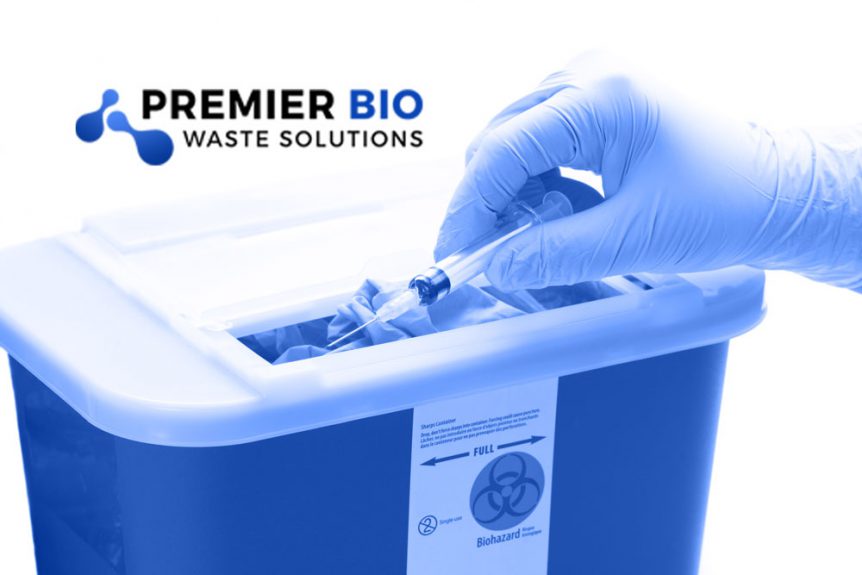
Sharps waste refers to any objects that can puncture or lacerate the skin, such as needles, syringes, and scalpels. These items must be managed with utmost caution to prevent injuries and minimize the risk of bloodborne pathogen transmission. Uncover the best practices for handling and disposing of sharps waste, emphasizing the importance of puncture-resistant containers and designated collection systems.
Category 4: Chemical Waste
Chemical waste encompasses various substances used in healthcare facilities, including expired medications, disinfectants, and laboratory reagents. Improper disposal of chemical waste can lead to environmental pollution and harm ecosystems. Explore the appropriate methods for segregation, labeling, and storage of chemical waste to safeguard both human health and the environment.
Category 5: Pharmaceutical Waste
Pharmaceutical waste comprises unused or expired medications, which can be hazardous if not disposed of properly. It is essential to prevent these substances from entering water sources and affecting aquatic life. Discover the significance of responsible pharmaceutical waste management, including the secure collection, transport, and disposal methods available.
Conclusion:
By gaining a comprehensive understanding of the different types of medical waste, we can actively contribute to a safer and healthier environment. Premier Bio Waste Solutions is dedicated to promoting responsible medical waste management through proper storage and disposal practices. Together, let’s prioritize the protection of public health, minimize environmental impact, and work towards building a sustainable future. Stay tuned for more valuable insights on our website and join us in our commitment to a cleaner, safer world.
Remember to visit our website at premierbiowaste.com or contact us at 361-887-8386 to learn more about our services and how we can assist you in implementing effective medical waste management solutions. Together, we can make a difference.