Provided by: Unites States Environmental Protection Agency
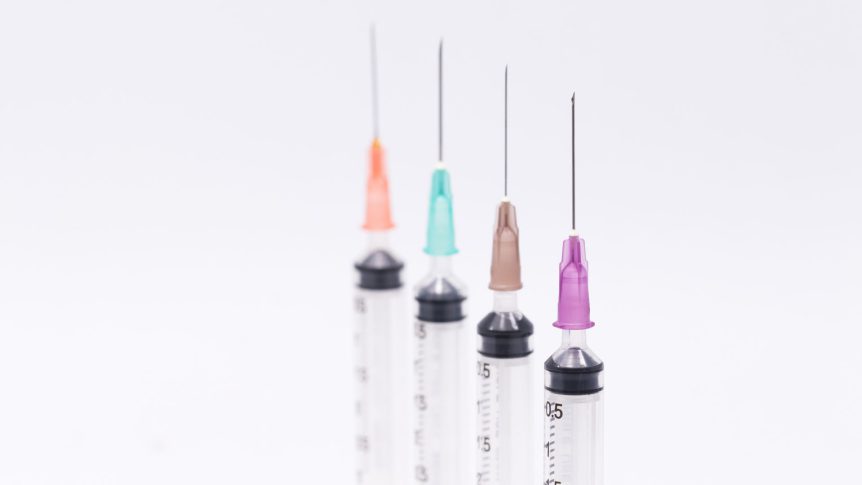
Each year, 8 million people across the country use more than 3 billion needles, syringes, and lancets—also called sharps—to manage medical conditions at home. Sharps disposal by self-injectors is not typically regulated, and self-injectors do not always know the safest disposal methods. This situation could lead to haphazard disposal habits and increased community exposure to sharps. People at the greatest risk of being stuck by used sharps include sanitation and sewage treatment workers, janitors and housekeepers, and children. Due to the hazards that unsafe disposal practices present, many states and municipalities are choosing to offer safe, convenient disposal options to sharps users.
People use sharps to treat all sorts of medical conditions in the home, and the number of conditions treated at home with injectable medicines continues to rise. Sharps users may use lancets and/or needles and syringes to deliver medicine for conditions such as:
- Allergies
- Arthritis
- Cancer
- Diabetes
- Hepatitis
- HIV/AIDS
- Infertility
- Migraines
- Multiple Sclerosis
- Osteoporosis
- Psoriasis
What are the dangers of used sharps?
Some sharps users throw their used needles in the trash or flush them down the toilet. Used sharps left loose among other waste can hurt sanitation workers during collection rounds, at sorting and recycling facilities, and at landfills, or become lodged in equipment, forcing workers to remove them by hand. Children, adults, and even pets are also at risk for needle-stick injuries when sharps are disposed improperly at home or in public settings. People exposed to sharps face not only the risk of a painful stick, but also the risk of contracting a life-altering disease such as HIV/AIDS or Hepatitis B or C. All needle-stick injuries are treated as if the needle were infected with a disease. Victims of sharps-related injuries face the cost of post-injury testing, disease prevention measures, and counseling, even if no infection or disease was spread. Some diseases can take a long time to appear on test results, leading to months of testing and apprehension. Needle-stick injuries are a preventable health risk, and states and municipalities can take specific actions to protect their residents from this risk.
Safe Disposal Options Drop-off collection sites:
Sharps users can take their filled sharps container to appropriate collection sites, which may include doctors’ offices, hospitals, health clinics, pharmacies, health departments, community organizations, police and fire stations, and medical waste facilities. These programs often give self-injectors the option of continuing to use empty household containers to collect sharps, but prevent the sharps from entering the household waste stream.
Household hazardous waste collection sites:
Self-injectors can place their used sharps in a special sharps container or, in some cases, an approved household container, take them to municipal household hazardous waste collection sites, and place them in the sharps collection bins. These sites also commonly accept hazardous materials such as household cleaners, paints, and motor oil.
Residential special waste pickup services:
Self-injectors can place their used sharps in a special container, similar to a recycling container, and put it outside their home for collection by trained special waste handlers. Some programs require customers to call for pickup, while others offer regular pickup schedules.
Mail-back programs:
Used sharps are placed in special containers, which are mailed (in accordance with U.S. Postal Service requirements) to a collection site for proper disposal. Mail-back programs are available for individual use by sharps users, and can also serve as a disposal method for community collection sites. These programs work especially well for rural communities, communities that don’t already have a medical waste pickup service (e.g., school systems, retail outlets, sporting arenas, casinos), and individuals who wish to protect their privacy.